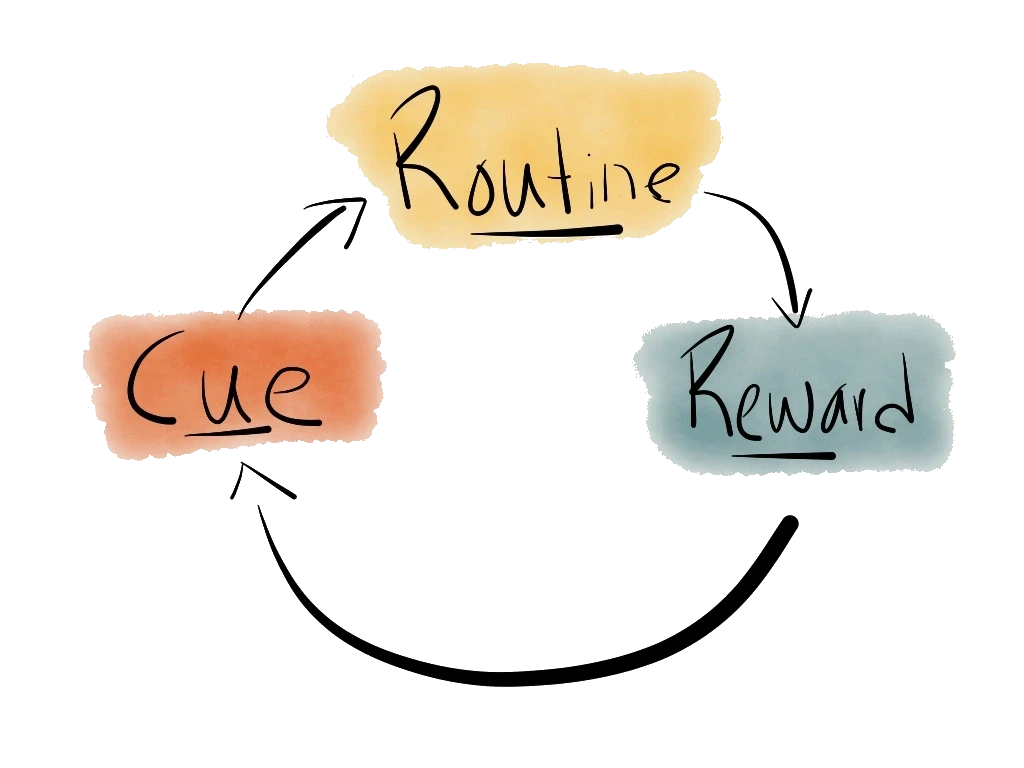
I’ve realized I’m not forgetful. I’m just being betrayed by my habits.
Every car works differently. Some start with a button, some with a key. Some reverse with a knob, others with a gear lever. If I haven’t driven a car for a while, I don’t start the engine right away— I pause for three seconds, mentally flipping through old muscle memory like a messy filing cabinet.
The worst part? The horn. Sometimes it’s in the center, sometimes on the sides. In an emergency, I reach out, my hand waving in the air, accusing the steering wheel of poor design.
Reversing is even better. I urgently need to back up, and my hand automatically reaches for a gear lever that doesn’t exist. The button is right there. But my habit has already decided—wrongly.
The accordion is the same. On my own instrument, I’ve planted secret “anchors”: a certain angle, a familiar resistance, a private shortcut. My fingers know exactly where to go. But on someone else’s accordion? Those anchors are gone. My hands turn into lost animals, touching everything and finding nothing.
That’s when it hit me: Habit isn’t a skill. It’s a long-term relationship with a specific system.
It works beautifully— until you change worlds.
So I started wondering: Are habits good or bad? They make today’s me efficient, but tomorrow’s me awkward.
We talk a lot about “building good habits.” What we don’t talk about is this: Once habits settle in, they quietly reject alternatives.
You’re not incapable. Your body is just still living in yesterday.
Maybe the real purpose of habits isn’t to make us faster, but to remind us that when we get stuck, it’s not because we’re failing it’s because we’re using an old map to find a new exit.
Thinking that, I felt kinder toward myself. Next time I miss the horn, fumble the reverse, or hit the wrong note, I’ll tell myself:
“It’s okay. You’re just not friends with this new world yet.”